
Sewing for Connection: Strengthening Community Ties
Sewing is often seen as a solitary activity, a quiet pastime enjoyed in the comfort of one’s home. However, it has the potential to be a powerful tool for building connections within communities. From local sewing circles to charity projects, the act of sewing can foster relationships, encourage collaboration, and create a sense of belonging. In this blog post, we will explore how sewing can strengthen community ties, share inspiring examples, and provide practical tips for getting involved.
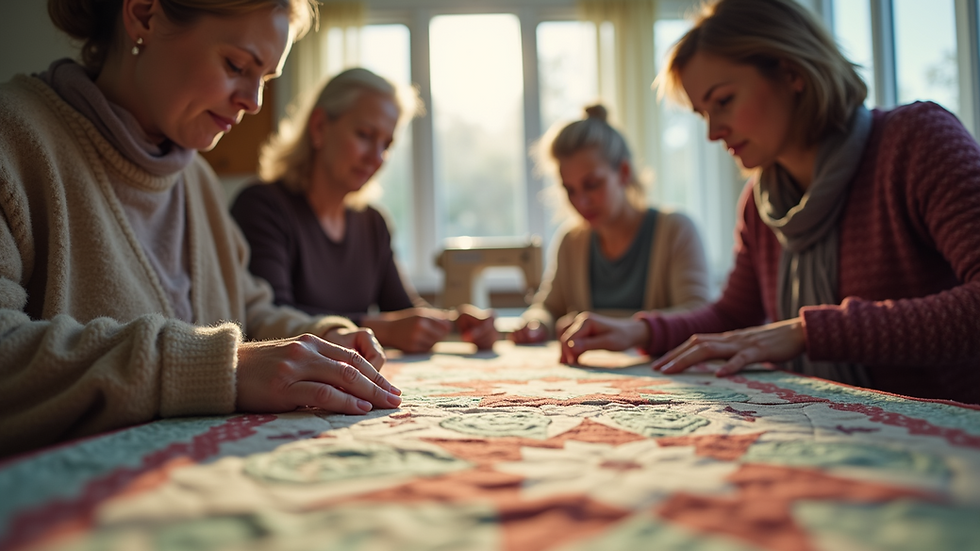
The Power of Community Sewing
Building Relationships Through Shared Interests
One of the most significant benefits of community sewing is the opportunity it provides for individuals to connect over a shared interest. When people come together to sew, they not only share techniques and tips but also stories and experiences. This exchange can lead to lasting friendships and a sense of camaraderie.
Shared Learning: Beginners can learn from experienced sewists, while seasoned crafters can refine their skills by teaching others.
Cultural Exchange: Sewing groups often bring together individuals from diverse backgrounds, allowing for the sharing of cultural traditions and techniques.
Creating a Supportive Environment
Sewing circles and community workshops create safe spaces where individuals can express themselves creatively. These environments encourage collaboration and support, which can be particularly beneficial for those facing challenges in their lives.
Emotional Support: Many people find comfort in the company of others who understand their struggles. Sewing can serve as a therapeutic outlet.
Collective Goals: Working on community projects, such as quilts for shelters or costumes for local theater productions, fosters a sense of purpose and achievement.
Inspiring Examples of Community Sewing Initiatives
Quilts of Valor
One remarkable initiative is the Quilts of Valor Foundation, which aims to provide comforting quilts to veterans. Volunteers across the country come together to sew and donate quilts, creating a tangible expression of gratitude for those who have served. This project not only provides warmth but also builds connections among participants and recipients alike.
Local Sewing Circles
Many towns and cities have local sewing circles that meet regularly to work on various projects. These groups often focus on charitable endeavors, such as creating clothing for those in need or sewing blankets for animal shelters. By participating in these circles, individuals can contribute to their community while forming friendships with like-minded individuals.
School Sewing Programs
Schools are increasingly recognizing the value of sewing as a means of fostering community. Programs that teach sewing skills not only equip students with practical abilities but also encourage teamwork and collaboration. Students can work together on projects that benefit their school or local community, such as creating costumes for a school play or sewing bags for a local food bank.
How to Get Involved in Community Sewing
Find Local Groups
The first step to getting involved in community sewing is to find local groups or organizations. Here are some ways to discover opportunities:
Community Centers: Many community centers offer sewing classes or host sewing groups.
Libraries: Some libraries have sewing machines available for public use and may host sewing events.
Social Media: Local Facebook groups or community boards can be excellent resources for finding sewing circles.
Start Your Own Group
If you can’t find a local sewing group that fits your interests, consider starting your own. Here are some tips for launching a successful community sewing group:
Choose a Focus: Decide whether your group will focus on charity projects, skill-sharing, or simply socializing while sewing.
Set a Schedule: Regular meetings, whether weekly or monthly, help maintain momentum and encourage participation.
Promote Inclusivity: Ensure that your group is welcoming to all skill levels and backgrounds.
Participate in Community Projects
Look for opportunities to contribute to community projects. Many organizations seek volunteers for sewing-related initiatives. Here are some ideas:
Charity Drives: Participate in drives that collect handmade items for those in need.
Local Events: Volunteer to help with sewing at local fairs or festivals, where you can showcase your skills and connect with others.
Workshops: Attend or host workshops that teach sewing skills to others in your community.
The Benefits of Sewing for Connection
Enhancing Mental Well-Being
Sewing has been shown to have therapeutic benefits. Engaging in a creative activity can reduce stress and anxiety, providing a sense of accomplishment and purpose. When done in a group setting, the social aspect further enhances these benefits, creating a supportive network that promotes mental well-being.
Fostering a Sense of Belonging
Being part of a sewing community can instill a sense of belonging. Individuals who may feel isolated or disconnected can find a supportive network through shared interests. This connection can lead to increased self-esteem and a greater sense of identity within the community.
Encouraging Sustainable Practices
Sewing can also promote sustainability by encouraging individuals to repurpose materials and create their own clothing or home goods. Community sewing initiatives often focus on upcycling and reducing waste, fostering a culture of sustainability and environmental awareness.
Conclusion
Sewing is more than just a craft; it is a powerful tool for building connections and strengthening community ties. By participating in local sewing groups, engaging in community projects, and sharing skills with others, individuals can foster relationships that enrich their lives and the lives of those around them. Whether you are a seasoned sewist or a complete beginner, there is a place for you in the world of community sewing. So grab your fabric and thread, and start sewing for connection today!



Comments